



For the third consecutive year, The MSU College of Human Medicine has partnered with MSU IT to bring provider education and patient self-management videos to life. These videos are part of a series of educational training materials designed to support youth and school professionals across Michigan and beyond. Led by Alyssa Bradley, Media Production Manager for MSU IT Educational Technology, her team translated complex psychological and health concepts into engaging, accessible video content that benefit youth statewide.
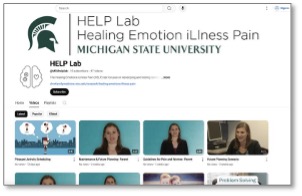 Developed in collaboration with leading pediatric pain psychologist researcher and Associate Professor, Dr. Natoshia Cunningham, and her team, the video series tackles topics like chronic pain management, sleep hygiene, psychoeducation, and motivational interviewing for pediatric populations. The goal is to bridge research and real-world application.
Some videos are distributed to school-based professionals, such as nurses and mental health specialists, providing tools to support children experiencing trauma, chronic illness, and mental health challenges. Others are designed for children to use directly, helping them manage conditions like chronic pain or lupus.
“We wanted to create something that professionals and children could use immediately. Something that felt real and relatable,” Dr. Cunningham said. “The goal was to take evidence-based practices to manage symptoms impacting children and make them accessible to youth and those working directly with youth.”
MSU IT managed all aspects of production, including filming, editing, and final delivery. Using in-house studio resources and teleprompter setups, the team streamlined workflows so faculty collaborators could focus fully on developing content. The result was a smooth production process and high-quality, visually engaging materials.
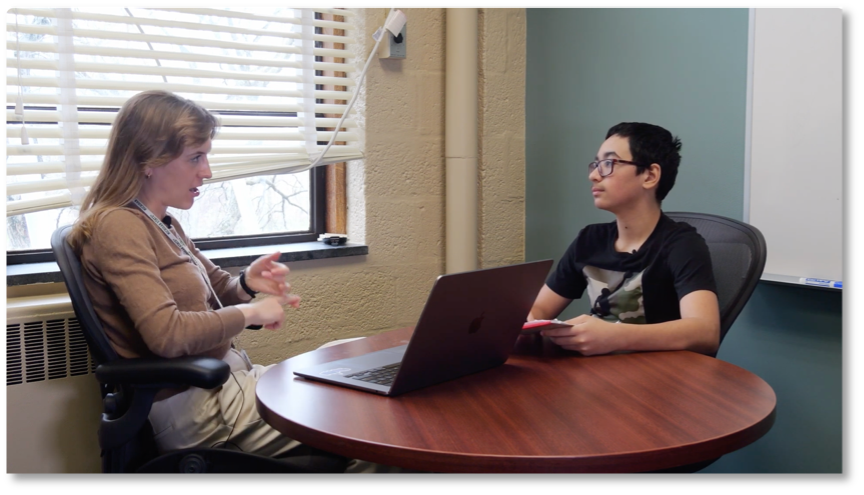 “Over the past three years, we’ve worked with Dr. Cunningham on several projects to improve management of pediatric chronic health and mental health concerns, creating both segments spotlighting experts wo explain critical concepts and scripted scenarios with child actors and trained providers,” Alyssa Bradley explained. “The talking heads deliver direct instruction, while the scenarios show how these concepts play out in real life. It’s a format Dr. Cunningham’s team developed, and it’s been incredibly effective”.
Backed by over $3 million in current grant funding from the U.S. Department of Defense and the Michigan Health Endowment Fund, Dr. Cunningham is leading efforts to develop and evaluate broader cognitive behavioral programs. The videos, an essential component of these programs, have expanded in both scope and ambition. Featuring realistic portrayals by child actors or young adults, the content is designed to be relatable and actionable, helping viewers engage both emotionally and intellectually.
This project highlights MSU IT’s commitment to outreach and student success. By turning academic knowledge into practical tools, it helps educators and caregivers support youth and empowers young people to take charge of their health. The initiative also supports the university’s mission to foster well-being and resilience across Michigan communities.
“It’s about impact,” Dr. Cunningham emphasized. “We’re not just creating videos; we’re creating change, and MSU IT has been an incredible partner in making that happen.”